If you can’t afford regular dry cleaning, or don’t have time for it, just buy the cheapest bottle of vodka you can find (plain vodka, not fruity flavored), pour it into a spray bottle, and spritz your clothes with it. Plain vodka has no odor, and the high alcohol content eliminates odors in your clothes. Don’t dilute it; just use straight vodka.
They do this all the time on Broadway, since they don’t have time to dry clean the costumes every single night, and I can also say from my own personal experience that it works really well.
this sounds like some russian conspiracy but I’m willing to try it 🙂
Yes, I want millionaires to pay more taxes. But mostly, I want fewer millionaires a billionaire shouldn’t even be a thing. We have a minimum wage, we should have a maximum wage.
No one should have the kind of wealth the wealthiest in America have. One percent of American’s own 40% of America’s wealth. CEOs were paid 273 times more than their average employee in 2012, regardless of business performance. If the business makes more money, pay the workers more. Get the better health care. Provide free daycare and pay the daycare providers. Have scholarships for their kids. Money has to be spent if it can’t be hoarded. No one, absolutely no one in the world “earns” over 100,000 dollars a day (the 15th highest paid CEO “earns” that in a day.) No one should bring home 50 million dollars while their employees are on public assistance.
So sure, fight for the wealthy to “pay their fair share” but Republicans will never back that idea. And I’m not saying they’ll back what I’m saying either, but that’s the mountain I’m choosing to fight on because I’ve had better luck getting Republicans to agree on the most extreme of these points, that CEO’s can be way too greedy.
And before anyone picks this up (because that’s tumblr) and tries to insult me by calling me a commie or socialist or whatever else people think of, I don’t care.
This is how you write about disabled people accomplishing things. You focus on what they accomplish while acknowledging their disability but not framing them as impressive for just doing something while disabled.
This blog covers women from history who were badass. This post focuses on Sarah Biffin as a person and artist not as a diabled body, not as inspiration porn. This is how you write about disabled people.
Red MAGA hats are the first dead giveaway. And the people saying “it’s just their opinion, let them speak” are the ones who would have looked the other way.
“As the Bechdel Test began to creep into the sightline of mainstream movie criticism, it was notable to see the surprise of some male critics that their favorite movies—One Flew Over the Cuckoo’s Nest, Goodfellas, The Princess Bride, Clerks, the original Star Wars trilogy, the entire Lord of the Rings trilogy, and even Tootsie, when you get right down to it—so soundly flunked it. For many women, the reaction was more of a shrug, along with relief that, finally, there was a simple way to help writers and directors step over an embarrassingly low baseline. To be clear, applying the rule isn’t about snatching away the well-earned status of Raging Bull or The Godfather or even This Is Spinal Tap. As Anita Sarkeesian, creator of the Web site Feminist Frequency, noted in a 2009 video about the rule, “It’s not even a sign of whether it’s a feminist movie, or whether it’s a good movie, just that there’s a female presence in it.” The latter point is something that many people fail to grasp when trying to explain away why their favorite movies don’t pass the test (“But Batman is the hero of the movie! Of course the women characters are going to talk about him!”): the Bechdel Test is not a judgment of quality or nuance. After all, the beautiful, moving Gravity fails the test, while a formulaic rom-com like 27 Dresses passes with no problem. But the test itself is a simple, bloodless assessment of whether female characters are deemed important to a story—and a way to conclude that, most of the time, they aren’t.”
— We Were Feminists Once: From Riot Grrrl to CoverGirl®, the Buying and Selling of a Political Movement (Zeisler, Andi)
This makes me happy that it has an explanation, because too many people misunderstand the point of the test. “It sets the bar too low!” They say. That’s the point. It’s the lowest bar possible and many movies can’t pass it.
contrary to what most of us seem to believe, affirmations don’t work. At least not in the way they are popular on tumblr.
“You are beautiful/worthy/good enough” only works an affirmation if you already believe it. For the rest of us who don’t believe it, it insults our own intelligence. It’s an obvious lie to ourselves, yet we feel obliged to feel empowered by this, cuz everyone else is, and look how many reblogs it got.
However, affirmations do work if you tell yourself things that you do believe. You might not believe you are “good enough” because all you did all day long was sitting in your room feeling depressed. Telling yourself then how “wonderful and worthy” you are when it’s so clearly at odds with how you feel about yourself won’t work. It will feel like a lie cuz you can’t believe it (yet). Instead find affirmations you do believe: “I managed to feed my pet, I am acting responsible even though I feel horrible.” “I chatted with my friends online and they tried to cheer me up because they value me as a friend.” “I was too tired to cook, but I still managed to find something to eat, I am making an effort to care for myself and succeed.”
This is proof, undeniable proof.
Yes I know, depending on what kind of lies your depression/anxiety is trying to sell you, some of these statements work better than others. But these are just examples. Find affirmations you do believe and repeat them whenever you feel you don’t live up to your own expectations.
When dealing with the police, it is important to know what your rights are. This document will provide you with information about what you must do, what you do not have to do, and what you may wish to do in situations involving the police.
This pamphlet contains general information only. It is not a substitute for legal advice and is not intended to replace legal advice from a qualified lawyer. Persons seeking legal advice or guidance with a particular problem should consult with a qualified lawyer.
What if I am stopped by the police?
Police officers can stop you under three general circumstances:
-If they suspect that you have committed a crime
-If they see you committing a crime
-If you are driving
-If the police do not arrest you or if they do not have grounds to detain you, they must let you be on your way. To find out if you are under arrest or detention, politely ask the officers, “Am I under arrest?” If they say yes, you can ask why. Alternatively, you may ask the officer “Am I free to go?”, and if the answer is no, ask “why not?”
Do I have to answer their questions?
The police are allowed to approach you and ask you questions. In most cases, you do not have to answer their questions if you don’t want to. However, it is always a good idea to be polite.
If you have been involved in a car accident, and the police ask you questions about the accident, you could be charged with an offence if you do not provide any answers.
If you are detained by the police, they must inform you that you can talk with a lawyer and provide you with an opportunity to do so. It may be a good idea to not answer questions from the police until you have spoken with a lawyer.
Anything you say to the police could be used as evidence in court. Under some circumstances, statements that you are required by law to provide, such as accident reports, cannot be used against you, but this rule is not absolute.
What if the police ask who I am?
If stopped by the police, they will likely ask for your name and address. They may also ask you for identification. In most cases, you are not required to provide this information.
However, if you lie about your name or address you may be charged with obstructing justice or obstructing the police.
If you are stopped while driving, the police may ask to see your driver’s licence, car registration and insurance. You are required to provide this information, and if you fail to do so you may be charged with an offence.
If you are riding a bicycle, and the police see you commit an offence (such as failing to stop at a red light), they can stop you.6 If asked, you must provide your name and address to the police in these circumstances. They can arrest you if you refuse to do so.
What if I am stopped by the police while driving?
The police can stop cars at any time to determine if a driver has consumed alcohol or drugs, to see whether a car is mechanically fit, to check whether a driver has a valid licence, or to make sure a driver has insurance. The police may also stop your car if they suspect that you have committed a driving offence.
If the police ask to see your driver’s licence, car registration and insurance, you are required by law to produce these documents. If any of these documents are in the glove compartment, tell the officer that you are reaching for the document before doing so.
Can the police check to see if I have been drinking alcohol?
If the police suspect that you have been drinking alcohol, they can make you do a roadside breath test. They can also ask you to do a physical sobriety test, such as walking in a straight line, on the side of the road.12 You do not have a right to speak to a lawyer before taking a roadside test.
If the police have reasonable grounds to suspect that you have more alcohol in your blood than the legal limit, or that your ability to drive has been affected by alcohol, they can take you to the police station to do a breath test, sometimes called a “breathalyzer test”. You do have the right to speak to a lawyer before taking a breath test at a police station.
Can the police search my car?
If your car has been stopped by the police to check your sobriety, the mechanical condition of the car, or your licence, registration or insurance, the police cannot search your car. They are, however, allowed to look in the windows of your car, and may use a flashlight to do this if it is nighttime.
The police are only allowed to search your car if they have reasonable and probable grounds to believe that there are illegal drugs or alcohol or evidence relating to the commission of a crime in the car. They must also believe that the evidence, drugs or alcohol would be removed or destroyed if they were to get a search warrant.
When can the police search me?
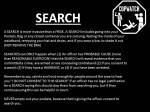
In most cases, the police can only search you only if you have been placed under arrest or if you have consented to the search. However, there are exceptions. These include:
-If the police find you in a place where they are searching for drugs, and they have reason to believe that you have drugs.
-The police find you in a vehicle where people are transporting or drinking alcohol illegally, and they believe that you have alcohol.
-The police believe that you have an illegal weapon or one that was used to commit a crime, and suspect that it might be removed or destroyed in the time it would take to get a search warrant.
-If the police search you for any of these reasons, you must allow the search. If you believe that you have been wrongly searched, tell the police that you object to the search, and speak to a lawyer afterwards about your concerns.
-If the police search you in relation to one offence, and find evidence that you may have committed another offence, you can be charged in relation to the second offence.
-For example, if they search you on suspicion of having drugs, but find an illegal weapon, you can be charged with possession of the illegal weapon.
What if I am detained?
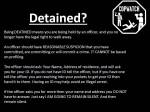
The police have a right to briefly detain you if they are investigating a crime and have reasonable grounds to believe that you are connected to that crime. This type of detention is different from being placed under arrest.
If you have been detained but not arrested, and a police officer believes that there are reasonable grounds to think that his safety or the safety of others is at risk, the officer may do a “pat-down” search of you to check for weapons.
If you are being detained, you do not have to answer any questions posed by the police.
What if I am arrested?
The Canadian Charter of Rights and Freedoms, which is part of Canada’s constitution, sets out the rights that individuals have when they have been arrested.
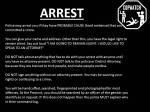
If you are placed under arrest, the police may search you, your clothes and anything you are carrying. They can also search your “immediate surroundings”, which could include your car if that is where you are arrested.
The police are allowed to search you after you have been arrested as long as they believe that the search is necessary for the safety of the police and the public, to protect evidence from destruction, or to discover evidence that may relate to your guilt or innocence.
Will the police tell me why I am under arrest?
You have the right to be informed promptly of the reason for your arrest. If you are unsure, you should politely ask the police officer why you are being arrested.
Do I have to speak to the police if I am arrested?
If you are arrested, you have the right to remain silent. This means that you do not have to answer any questions asked by the police.
Can I speak to a lawyer?
Once you are arrested, you have a right to speak to a lawyer, and the police must advise you of this right as soon as possible. The police must also tell you about Legal Aid and your right to free legal services.
If you wish to contact a lawyer, the police must provide you with a telephone. They must also allow you to make more than one phone call in order to reach a lawyer, if necessary. The police must also stop questioning you until you have been given an opportunity to contact a lawyer. You have the right to speak to a lawyer in private.
Once you have spoken to your lawyer, the police may continue to ask you questions. You do not have to answer these questions.
What if the police come to my home?
The police are allowed to come to your home to talk to you, but you are not generally required to answer their questions or grant them access to your home.
When can the police enter my home?
There are a number of circumstances in which the police are allowed to enter your home. These include:
-The police have a warrant to enter your home to arrest someone
-The police have a search warrant
-The police have permission from you or someone else in authority in your home
-There are urgent circumstances that require the police to enter your home
-The police may also enter your home if they suspect that a crime has been committed in relation to property in your home. In this case, the suspected criminal activity must have been committed against you, not by you.
What are my rights if the police have a warrant?
A search warrant allows the police to search your home and take certain items that they find. Police are allowed to take items that you are not legally allowed to have, such as illegal drugs, or items that may be evidence of an offence. If the police take something that was legally in your possession, they are generally required to return it to you within 3 months. If it is not returned to you, contact the police.
If the police come to your home with a search warrant, they must identify themselves and ask permission to come in. If they have a valid search warrant, you must let them in. If you refuse, they may enter your home without permission. If you try to prevent them from coming into your home, you may be charged with obstructing the police.
In most cases, the police must also show you a copy of the warrant. If they do not offer to show you the warrant, you can ask them to see it. Make sure that the information on the warrant is correct. For example, check that the correct name and address are listed and see if there are any time limits about when the police can use the warrant.
The police are expected to act reasonably in their search. This means that they are not allowed to use excessive force or damage property for no reason.
In what urgent circumstances can the police enter my home?
The police can enter your home without your permission in the following urgent circumstances:
-A 911 call has been made from your home, and the police believe that entry is necessary to prevent death or serious injury.
-Where the police believe that someone in the home is in need of emergency services.
-To help someone who has reported a domestic assault to safely remove their belongings.
-To protect people from injury if the police suspect that there is a drug laboratory in the home.
the most telling thing about the political climate this year is that usually my dash is filled with 4th of July posts by now but there’s been absolutely nothing… like nobody can even find the strength to post ironic eagle memes are you guys alright over there
























 Organized Chaos